
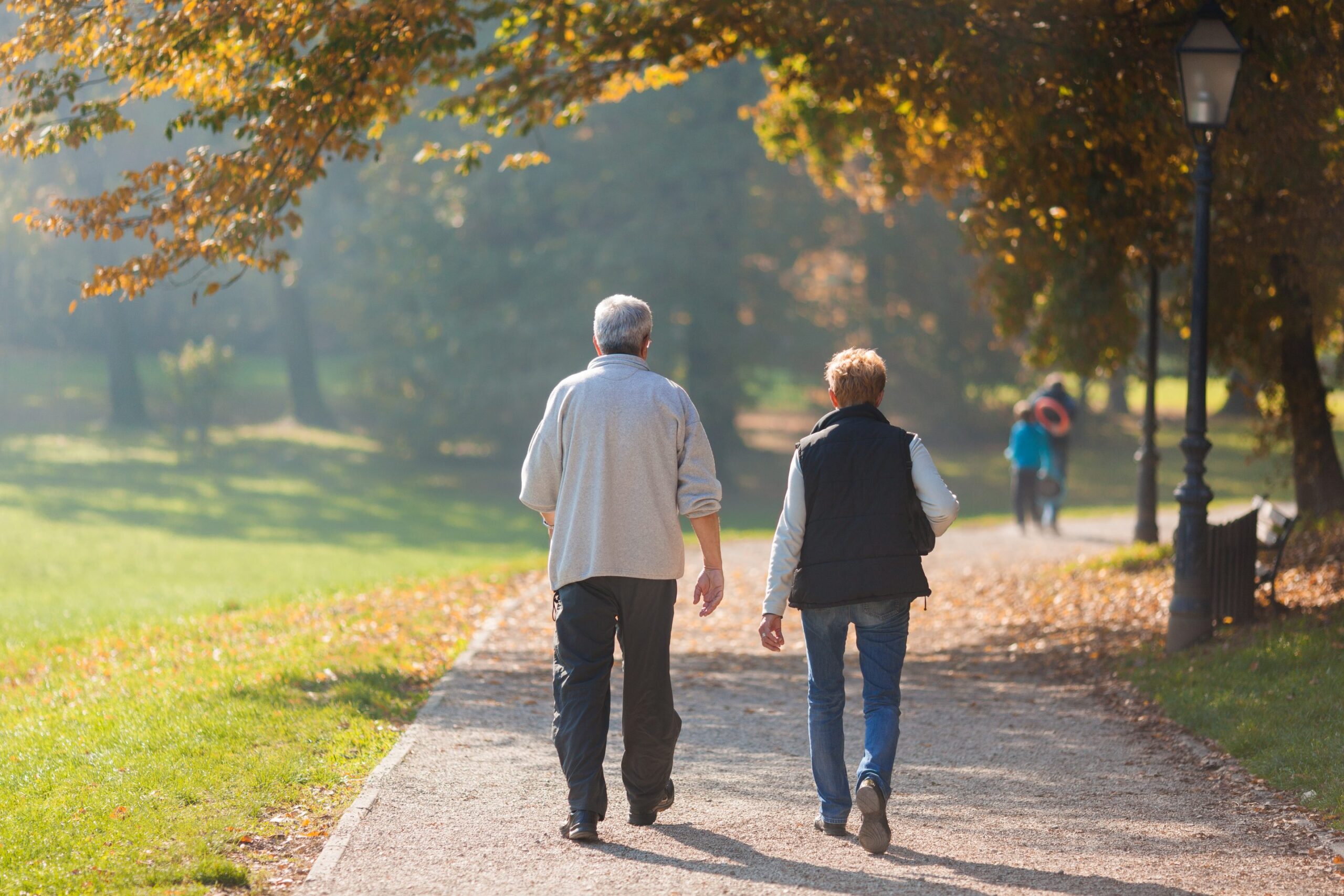
As we age, maintaining both physical and mental well-being becomes increasingly important. One simple yet profoundly effective way for seniors to boost their health and happiness is through nature walks. Taking a leisurely stroll outdoors, surrounded by greenery, fresh air, and natural beauty, offers a wealth of benefits that go far beyond just exercise. Here’s why seniors should consider incorporating nature walks into their daily or weekly routine.
1. Physical Health Benefits
Nature walks provide gentle, low-impact exercise that is perfect for seniors of varying fitness levels. Walking helps improve cardiovascular health by boosting circulation and strengthening the heart. It also enhances muscle tone and joint flexibility, which is vital for maintaining mobility and independence as we age.
Moreover, spending time outdoors exposes seniors to natural sunlight, which aids the body in producing vitamin D — essential for bone health and immune function. Regular walking can also help manage weight, lower blood pressure, and reduce the risk of chronic conditions such as diabetes and osteoporosis.
2. Mental Health Boost
The benefits of nature walks extend beyond physical health; they are a powerful tool for mental wellness. Research consistently shows that spending time in natural environments reduces stress, anxiety, and symptoms of depression. The sights, sounds, and smells of nature have a calming effect on the brain, helping seniors feel more relaxed and centered.
Walking in nature also stimulates the production of endorphins — the body’s natural “feel-good” hormones. This mood lift can be particularly valuable for seniors who may experience loneliness or social isolation. The rhythmic movement combined with the beauty of the outdoors helps clear the mind and improve focus and cognitive function.
3. Social Interaction Opportunities
Nature walks can be a social activity, offering seniors the chance to connect with friends, family, or community groups. Joining walking clubs or nature groups helps build social bonds and combats feelings of isolation that many seniors face. Sharing stories, observing wildlife together, or simply enjoying a peaceful walk side-by-side enriches emotional well-being and creates a sense of belonging.
4. Connection with Nature and Mindfulness
Spending time in nature encourages mindfulness — being present and fully engaged with the moment. For seniors, this can mean a deeper appreciation of life’s simple pleasures: the sound of birds, the rustle of leaves, or the scent of wildflowers. This connection fosters gratitude and a peaceful state of mind, which supports overall mental health and resilience.
5. Cognitive Health and Brain Stimulation
Engaging with nature offers gentle cognitive stimulation, which is crucial for maintaining brain health in seniors. Navigating walking paths, observing flora and fauna, and even learning about local ecosystems provide mental challenges that help keep the brain sharp. Studies suggest that regular nature exposure may reduce the risk of cognitive decline and dementia.
6. Improved Sleep Quality
Nature walks, especially when done in the morning or early afternoon, help regulate the body’s internal clock by syncing circadian rhythms. Exposure to natural light during the day encourages better sleep at night, which is vital for seniors since sleep disturbances are common with aging. A good night’s rest improves mood, memory, and overall quality of life.
Nature walks are an accessible, affordable, and enjoyable way for seniors to enhance their physical health, mental well-being, and social connections. Whether it’s a stroll through a neighborhood park, a walk along a nature trail, or simply time spent in a garden, the benefits are profound and lasting.
For seniors looking to stay active, reduce stress, and enrich their daily lives, stepping outside for a nature walk might just be one of the best choices they can make. So lace up those walking shoes, breathe in the fresh air, and reconnect with the natural world — your body and mind will thank you.


